
IT Consulting
A Design That Still Holds When the Business Doubles
The first load always feels light. What tests a design is the year the volume has multiplied several times over.
October 22, 2026 · 3 min read
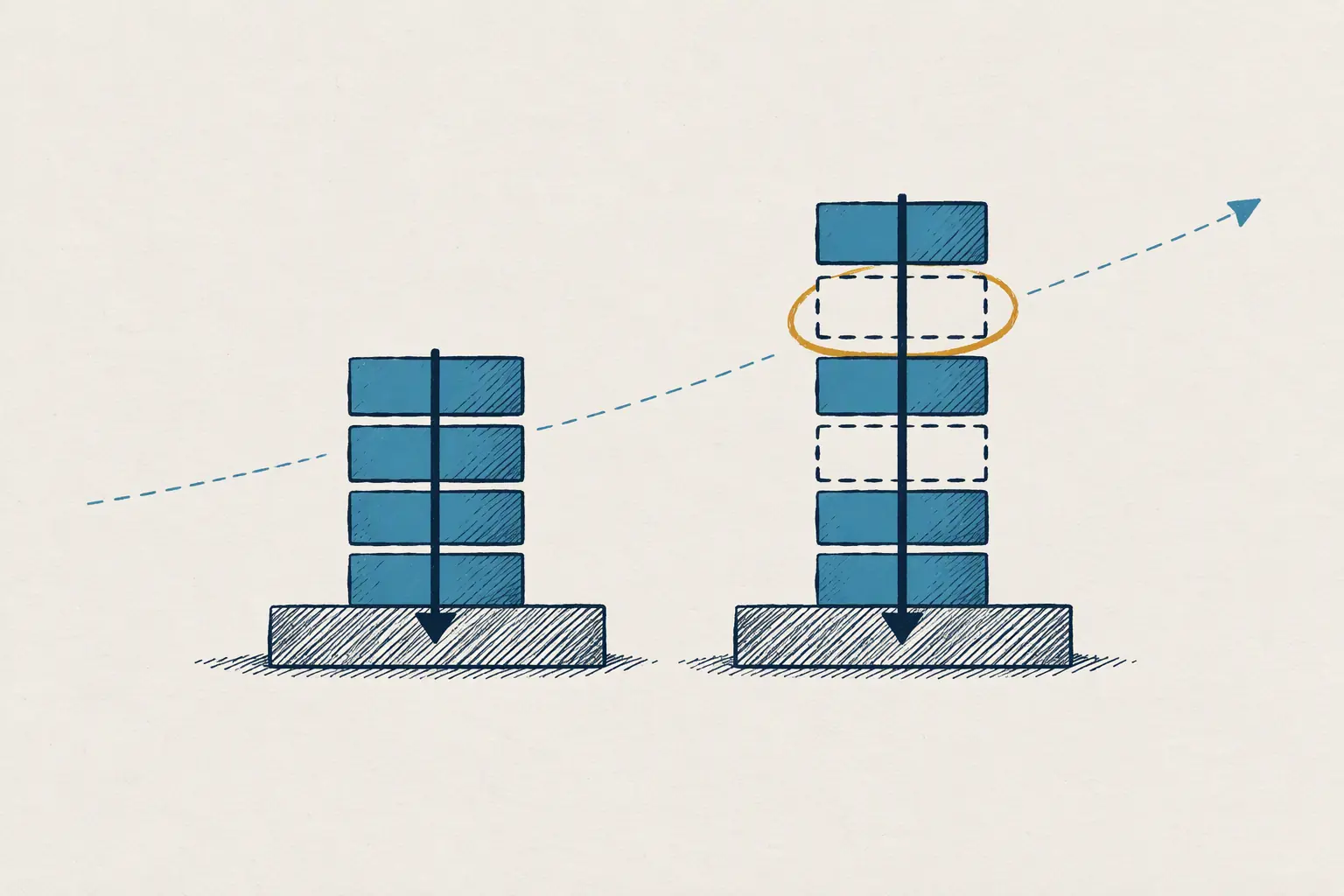
Design conversations almost always start from the needs on the table today: the process that has to run, the people who have to use it, the report that has to arrive on time. That is reasonable, and this part is usually done well.
What tends to get left out is the question after it: what happens to this design when the volume multiplies, when branches are added, or when a process that looks small today turns out to be the busiest thing in the company.
That question is cheap to answer on paper and expensive to answer after the system is live. Changing how data is stored, separating a part that has been quietly carrying another part’s load, or adding a service layer in the middle usually means redoing something people already trust with their day.
Growth is several different things pressing on different parts
When we are asked in at this stage, the first thing we untangle is what is actually going to grow. Each kind of growth presses a different part of the design, and blending them into one phrase about a “robust system” leaves nothing genuinely prepared.
- More transactions a day press the database and the work that runs behind the scenes.
- More branches and teams press the approval flow and who is responsible for what.
- More product types press business rules first written against a single case.
- More people logged in at the same hour press the part nobody discussed during design.
From that separation it becomes visible which parts deserve preparation now and which can safely stay simple. Some are genuinely cheaper to do later, and that decision is worth writing down with its reason, so it does not quietly turn into a belief that everything was considered.
What we avoid is a design that uses the future as a justification: tooling more complicated than today’s needs, or an extra layer that no one is on hand to maintain.
Signs a design has started to hold growth back usually appear before anything actually breaks:
- One particular part is always the slowest whenever volume rises.
- Opening a new branch takes as long as a small project.
- The monthly report is only safe to run after office hours.
- Big technical decisions depend on one person who still remembers why.
A design that succeeds here is quiet. There is no major incident when the volume goes up; there is only spare capacity left, and a team that does not have to call anyone outside working hours.
If you are standing right in front of that decision (about to build, and wanting the design to still hold a few years from now), a short conversation on paper is usually enough to see which parts deserve thought first. We do this as part of our IT consulting and solution architecture service.
Related Articles
Cloud & DevOps 3 min read
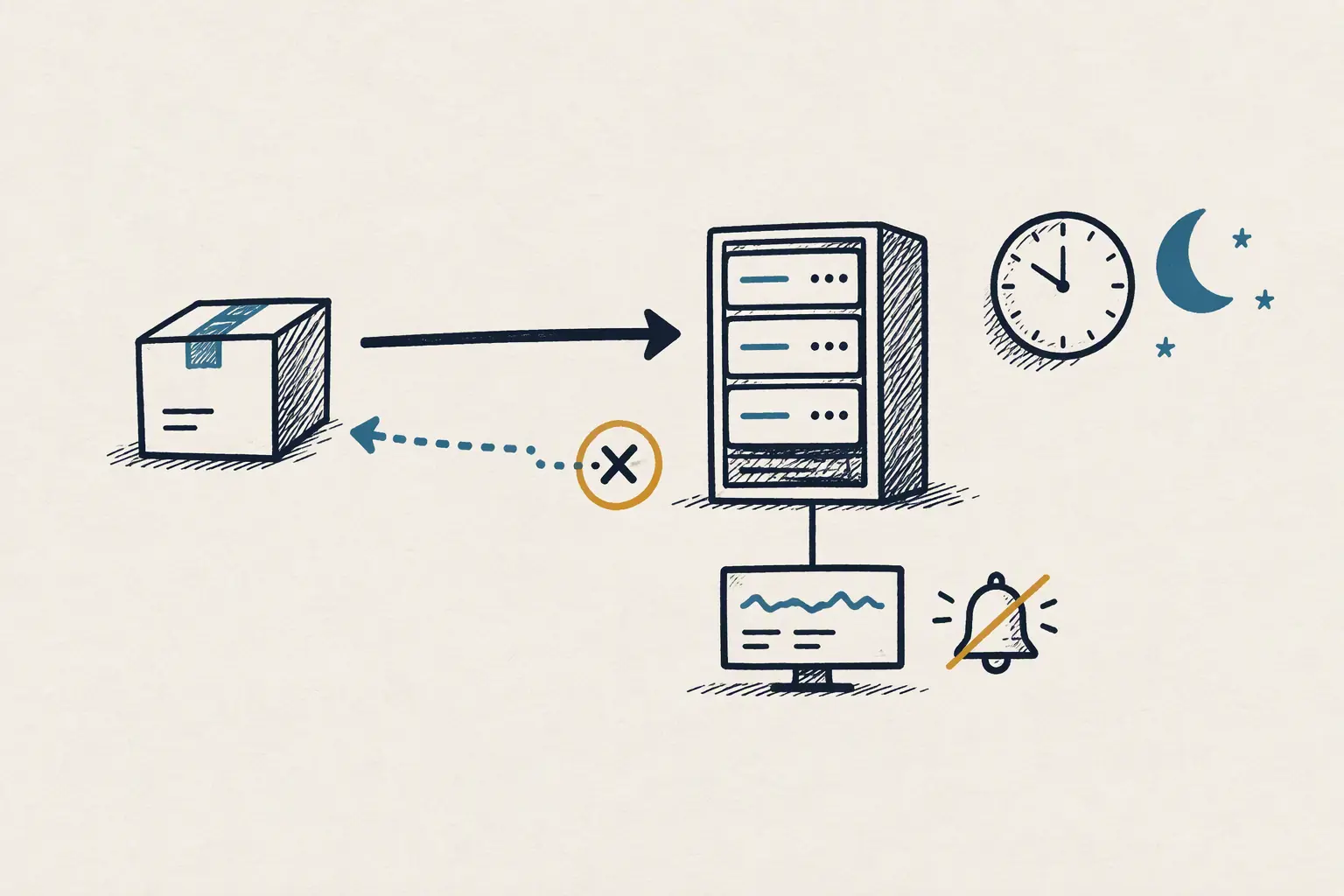
Releases That Only Happen After Office Hours
As long as going back to the previous version means hunting for a backup folder, every release becomes an event people dread.
Custom Software Development 3 min read
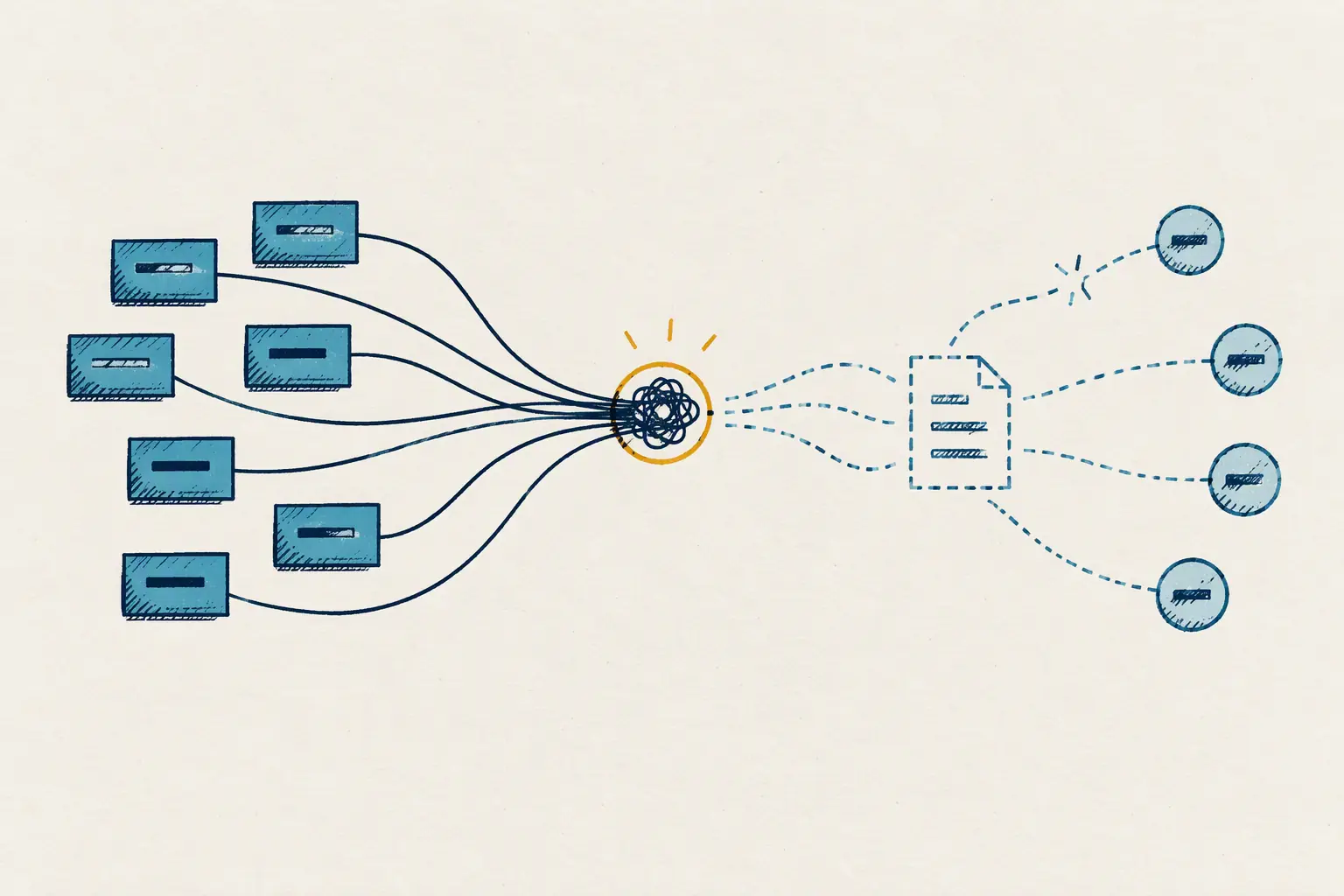
The System Only One Person Can Touch
When one person is the only one who understands it, every change ends up waiting for them to be available.
System Integration 3 min read
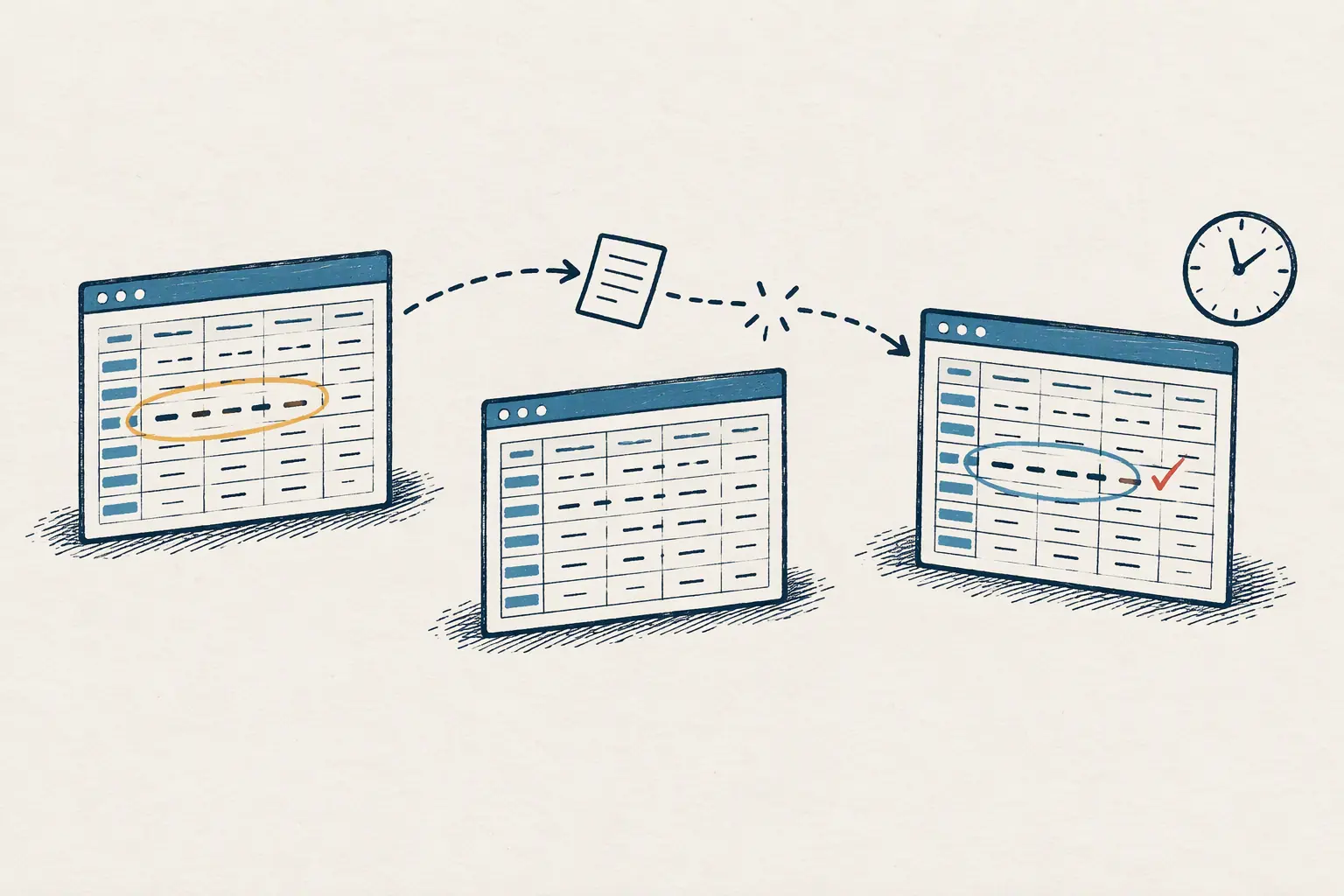
When Every Team Keeps Its Own Spreadsheet
As long as data moves between systems by retyping, reports will always arrive late and the numbers will rarely agree.
Want to Apply These Ideas to Your Business?
Let’s discuss how this approach can be adapted to your organization’s context.
Start a Conversation