
Digital Transformation
Old Problems Move Into the New System
Replacing an application without mapping the process behind it usually just moves manual work onto a different screen.
October 8, 2026 · 3 min read
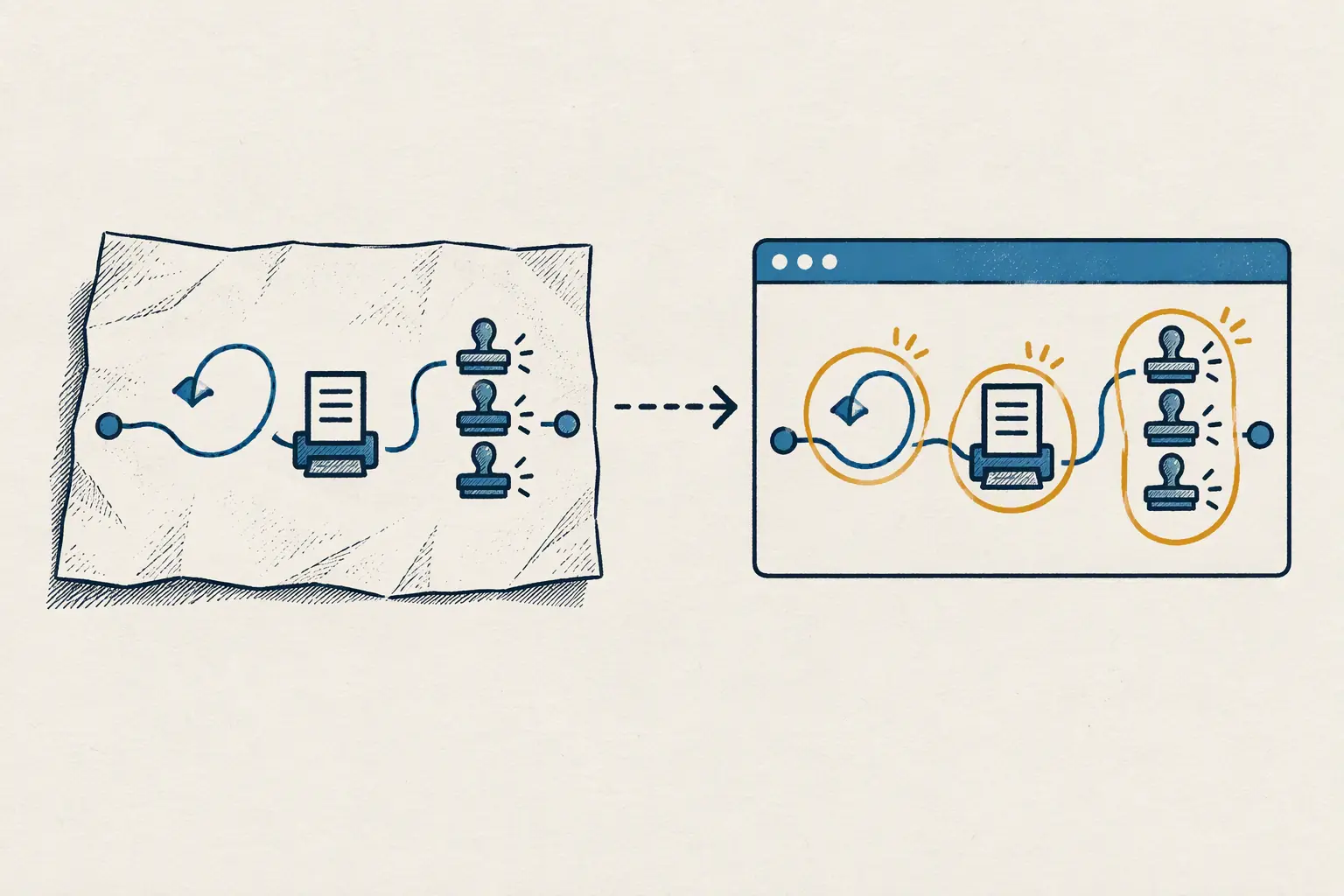
There is a moment we hear often from prospective clients: the old system has become too painful, so a replacement is decided. Budget is set, an application is chosen, the team is trained. Months later the complaints sound roughly the same as before. Only the vocabulary has changed.
The cause usually sits in the process that was never mapped before the new system went in. The new system is configured to follow old habits, including the habits that had been the source of the trouble all along.
The examples often sound trivial: an approval that is really a formality kept in multiple layers because it has always been that way, or data still printed and initialed because no one is sure the on-screen version counts. The new system complies with all of it, and the manual work gets a new home.
Map the process first, choose the system second
That is why the transformation work we do almost always starts on paper. We sit with the people who run the process daily and write down the sequence that actually happens, which often differs from what the SOP says. From that record we mark which parts genuinely need to stay and which parts are just habit.
The questions we use while mapping:
- Who performs this step, and what do they need to finish it?
- At which point does the work stop to wait for someone else?
- Which parts exist only because of habit?
- If this step were removed tomorrow, what would actually change?
Once the map is done, choosing a system becomes a much calmer exercise. Requirements can be written from the real process, and every vendor proposal can be measured against the same yardstick.
Digital transformation is, in practice, a sequence of small decisions taken with a clear map. If you are at the start of that sequence, process mapping is where we usually begin.
Related Articles
Cloud & DevOps 3 min read
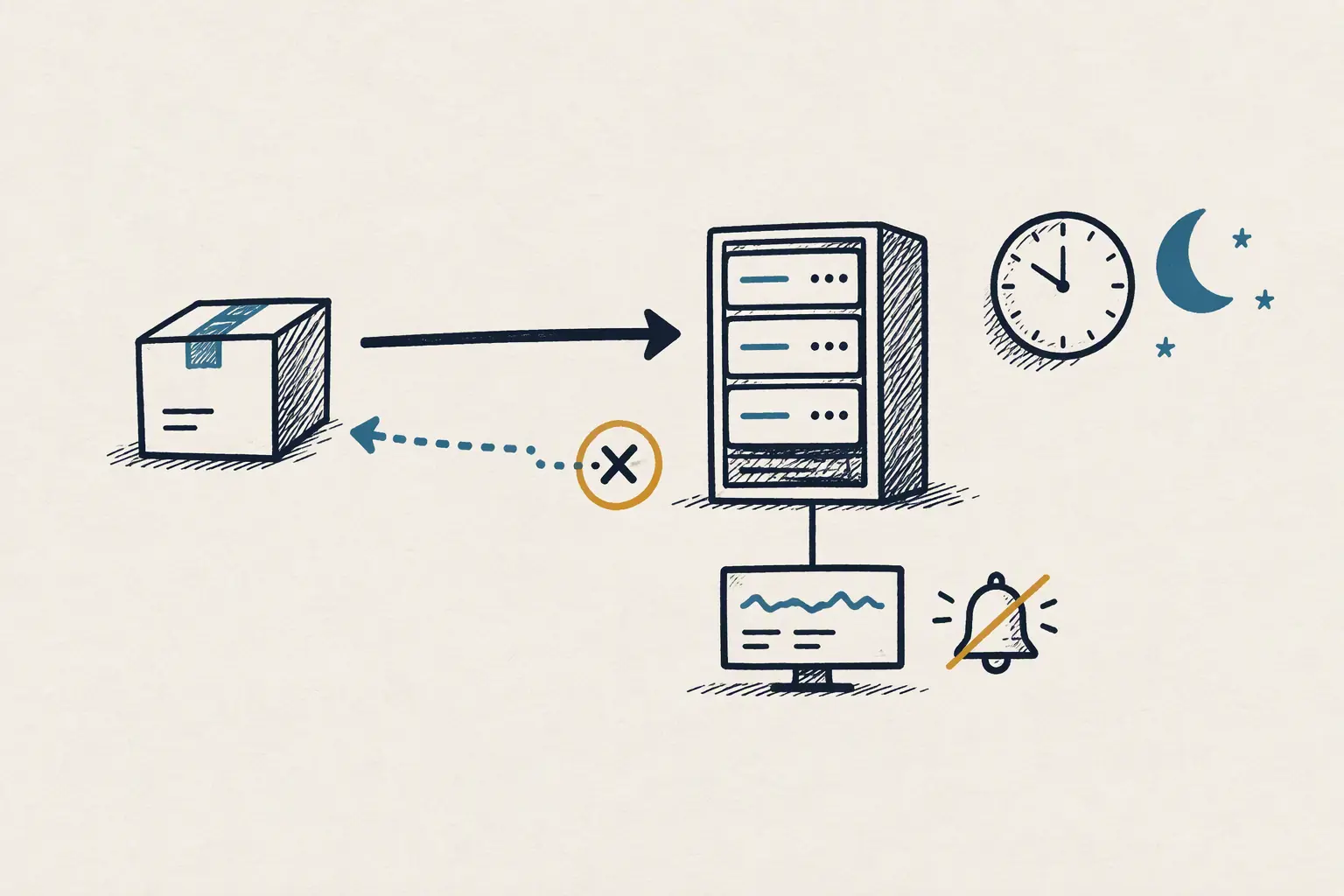
Releases That Only Happen After Office Hours
As long as going back to the previous version means hunting for a backup folder, every release becomes an event people dread.
Custom Software Development 3 min read
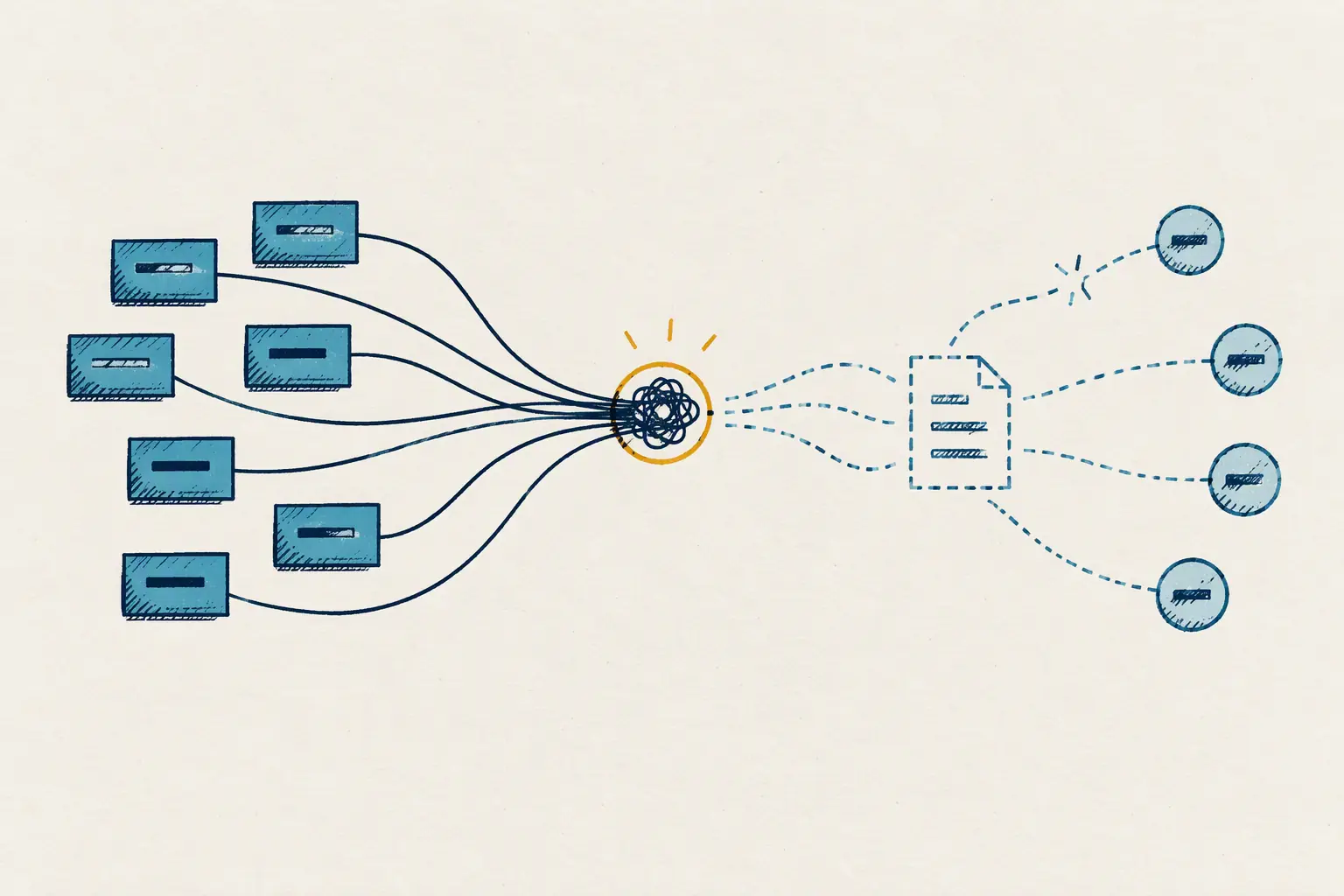
The System Only One Person Can Touch
When one person is the only one who understands it, every change ends up waiting for them to be available.
IT Consulting 3 min read
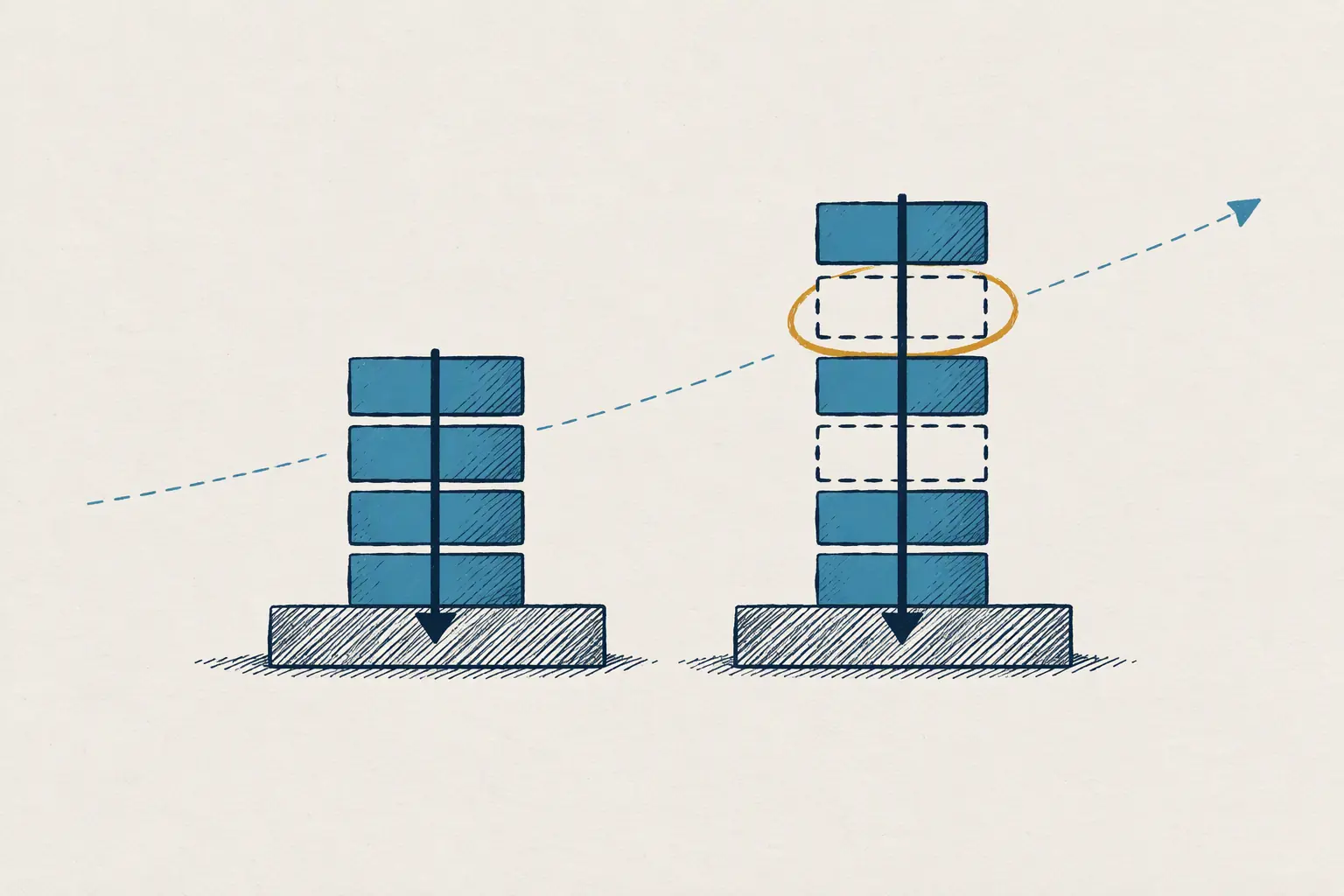
A Design That Still Holds When the Business Doubles
The first load always feels light. What tests a design is the year the volume has multiplied several times over.
Want to Apply These Ideas to Your Business?
Let’s discuss how this approach can be adapted to your organization’s context.
Start a Conversation